HomeLocal LifeYour Go-To List for Emergency Home Repairs.

Your Go-To List for Emergency Home Repairs.

Learn about essential emergency home repairs you should be prepared for. From plumbing issues to electrical problems, our guide offers practical tips and solutions to handle unexpected home repair emergencies.
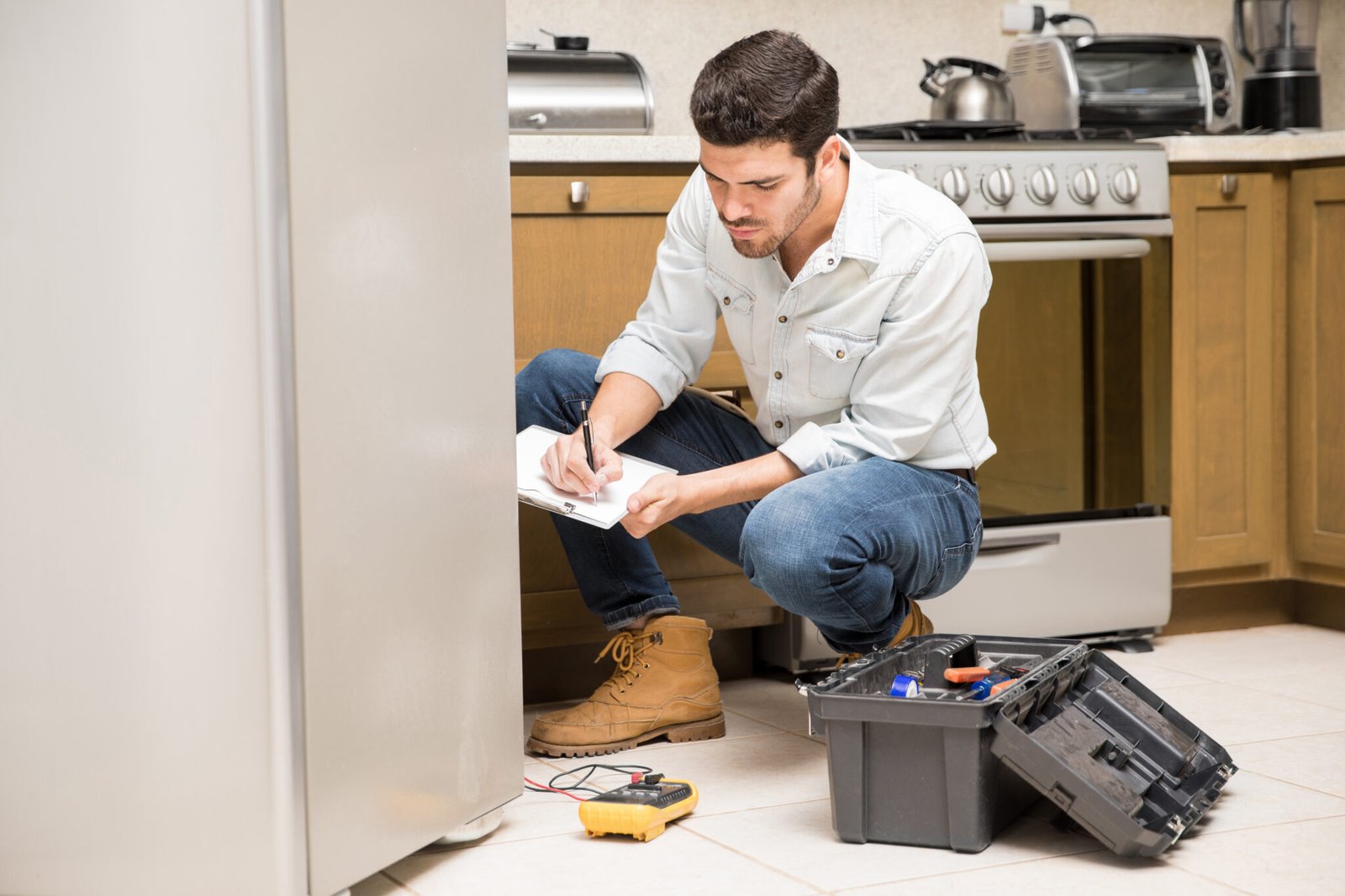
Male technician writing a work reportPortrait of a handsome male technician doing a work report on a broken fridge in a home kitchen

Home repairs are a part of life, but some problems demand immediate attention. Whether it’s a sudden leak, an electrical issue, or a plumbing problem, emergency repairs can disrupt your daily routine and, in some cases, lead to more extensive damage if not addressed quickly. Having a go-to list of common home emergencies and knowing how to deal with them can save you time, stress, and money. In this guide, we’ll walk you through the most common emergency home repairs, what to do in each situation, and when to call in a professional.

1. Plumbing Emergencies: Leaky Pipes and Clogged Drains

Plumbing issues are among the most common home emergencies. Leaky pipes, clogged drains, or sudden water heater malfunctions can cause significant damage if not taken care of immediately. These problems often arise without warning, so knowing how to handle them is essential.

Common Plumbing Emergencies:

  • Leaky Pipes: A leaky pipe can quickly flood your home, causing water damage and mold growth.
  • Clogged Drains: Clogged drains can cause water backups and create unsanitary conditions in your home.
  • Water Heater Issues: A malfunctioning water heater can leave you without hot water, which is a major inconvenience.

Quick Fixes:

  • Shut Off the Water Supply: If a pipe is leaking or flooding, immediately turn off the main water supply to prevent further damage.
  • Use a Plunger for Minor Clogs: For minor clogs, a plunger may help clear the blockage.
  • Contact a Plumber: For major leaks, broken pipes, or water heater failures, it’s best to call a professional plumber to assess and fix the problem.

Why It Matters:

Plumbing emergencies can cause extensive water damage if not dealt with quickly. Taking immediate action and knowing when to call a plumber can minimize damage and prevent costly repairs.

2. Electrical Emergencies: Power Outages and Electrical Shorts Circuits

Electrical issues can be dangerous if left unchecked. A sudden power outage, exposed wiring, or an electrical short can present serious safety risks, including fires or electrical shocks. Understanding basic electrical safety and knowing when to call a professional can help prevent accidents and protect your home.

Common Electrical Emergencies:

  • Power Outages: A power outage can disrupt your daily routine and indicate a deeper electrical issue.
  • Flickering Lights: Lights that flicker or dim unexpectedly may point to faulty wiring or electrical overload.
  • Exposed or Frayed Wiring: Exposed wires can pose serious fire hazards and need immediate attention.

Quick Fixes:

  • Turn Off Electrical Appliances: During a power outage or electrical issue, turn off electrical appliances to prevent further damage when power is restored.
  • Check Your Circuit Breaker: If the power goes out in one room or area, check the circuit breaker for a tripped switch and reset it if necessary.
  • Call an Electrician: If the issue involves faulty wiring, exposed wires, or other potentially dangerous problems, it’s essential to contact a licensed electrician for repairs.

Why It Matters:

Electrical problems can be hazardous and lead to fires or electrical shocks. Addressing these issues immediately and calling an electrician can protect your family and home.

3. Roof Leaks and Storm Damage

Roof leaks are often an urgent issue, especially after a storm or heavy rainfall. Water can seep into your home, causing structural damage, mold, and mildew growth. Quick action is necessary to prevent further damage and keep your home safe.

Common Roof Emergencies:

  • Roof Leaks: A roof leak can lead to significant water damage inside your home, including damaged ceilings, walls, and insulation.
  • Storm Damage: High winds and hail can cause roof shingles or tiles to become dislodged, leading to leaks and further damage.

Quick Fixes:

  • Temporary Patch: If you notice a leak, you can temporarily patch it with a tarp or waterproof covering until professional repairs are made.
  • Check for Water Stains: Inside your home, check ceilings for signs of water stains, which can indicate where the leak is coming from.
  • Call a Roofing Professional: Roofing repairs require expertise. A professional roofer can assess the damage and provide a permanent fix.

Why It Matters:

A leaking roof can cause extensive damage to your home, especially during heavy rains. Timely repairs can prevent costly water damage and preserve the integrity of your home’s structure.

4. Heating and Cooling Failures: HVAC System Issues

A malfunctioning heating or cooling system can leave you uncomfortable, especially during extreme weather. Whether it’s the middle of summer or winter, a broken HVAC system can affect the quality of your home life.

Common HVAC Emergencies:

  • No Heat in Winter: In colder months, a lack of heat can lead to discomfort and even frozen pipes.
  • No Cool Air in Summer: During hot months, a broken air conditioning unit can make your home unbearable.
  • Strange Noises or Leaks: Any unusual noises or water leaks from your HVAC system can indicate a serious issue.

Quick Fixes:

  • Check the Thermostat: Ensure your thermostat is set correctly and that the batteries haven’t run out.
  • Replace the Air Filter: A clogged air filter can reduce airflow, so replacing it may solve minor issues.
  • Call an HVAC Technician: For major issues such as system failures or strange noises, a professional technician is required to diagnose and repair the system.

Why It Matters:

A malfunctioning HVAC system can impact your home’s comfort and energy efficiency. Quick repairs can ensure that your system runs smoothly and keeps you comfortable year-round.

5. Pest Infestations: Immediate Action for Rodent and Insect Problems

Pests like rodents, insects, or even larger wildlife can cause havoc in your home, creating health risks and property damage. If you suspect an infestation, immediate action is needed to prevent the problem from escalating.

Common Pest Emergencies:

  • Rodent Infestation: Mice or rats can chew through wires, insulation, and drywall, causing damage and health risks.
  • Insect Infestations: Ants, termites, and cockroaches can damage furniture and structures or pose health risks.

Quick Fixes:

  • Seal Entry Points: Close gaps and cracks in walls, windows, and doors to prevent pests from entering.
  • Use Traps and Baits: For rodents, set traps in common areas, such as under sinks or in the attic.
  • Call an Exterminator: If the infestation is large or persistent, professional pest control is necessary to effectively handle the problem.

Why It Matters:

Pest infestations can lead to significant damage and health issues. Taking immediate action can minimize the impact and protect your home and family.

Conclusion

Emergencies happen, but knowing how to respond can make a huge difference in minimizing damage, saving money, and keeping your home safe. Whether it’s plumbing, electrical, roofing, HVAC, or pest problems, having a clear action plan and calling the right professionals for help can ensure that your home stays secure and functional. Regular maintenance and being prepared for common emergencies will also help you prevent unexpected repairs in the future.


Home repairs are a part of life, but some problems demand immediate attention. Whether it’s a sudden leak, an electrical issue, or a plumbing problem, emergency repairs can disrupt your daily routine and, in some cases, lead to more extensive damage if not addressed quickly. Having a go-to list of common home emergencies and knowing how to deal with them can save you time, stress, and money. In this guide, we’ll walk you through the most common emergency home repairs, what to do in each situation, and when to call in a professional.

1. Plumbing Emergencies: Leaky Pipes and Clogged Drains

Plumbing issues are among the most common home emergencies. Leaky pipes, clogged drains, or sudden water heater malfunctions can cause significant damage if not taken care of immediately. These problems often arise without warning, so knowing how to handle them is essential.

Common Plumbing Emergencies:

  • Leaky Pipes: A leaky pipe can quickly flood your home, causing water damage and mold growth.
  • Clogged Drains: Clogged drains can cause water backups and create unsanitary conditions in your home.
  • Water Heater Issues: A malfunctioning water heater can leave you without hot water, which is a major inconvenience.

Quick Fixes:

  • Shut Off the Water Supply: If a pipe is leaking or flooding, immediately turn off the main water supply to prevent further damage.
  • Use a Plunger for Minor Clogs: For minor clogs, a plunger may help clear the blockage.
  • Contact a Plumber: For major leaks, broken pipes, or water heater failures, it’s best to call a professional plumber to assess and fix the problem.

Why It Matters:

Plumbing emergencies can cause extensive water damage if not dealt with quickly. Taking immediate action and knowing when to call a plumber can minimize damage and prevent costly repairs.

2. Electrical Emergencies: Power Outages and Electrical Shorts Circuits

Electrical issues can be dangerous if left unchecked. A sudden power outage, exposed wiring, or an electrical short can present serious safety risks, including fires or electrical shocks. Understanding basic electrical safety and knowing when to call a professional can help prevent accidents and protect your home.

Common Electrical Emergencies:

  • Power Outages: A power outage can disrupt your daily routine and indicate a deeper electrical issue.
  • Flickering Lights: Lights that flicker or dim unexpectedly may point to faulty wiring or electrical overload.
  • Exposed or Frayed Wiring: Exposed wires can pose serious fire hazards and need immediate attention.

Quick Fixes:

  • Turn Off Electrical Appliances: During a power outage or electrical issue, turn off electrical appliances to prevent further damage when power is restored.
  • Check Your Circuit Breaker: If the power goes out in one room or area, check the circuit breaker for a tripped switch and reset it if necessary.
  • Call an Electrician: If the issue involves faulty wiring, exposed wires, or other potentially dangerous problems, it’s essential to contact a licensed electrician for repairs.

Why It Matters:

Electrical problems can be hazardous and lead to fires or electrical shocks. Addressing these issues immediately and calling an electrician can protect your family and home.

3. Roof Leaks and Storm Damage

Roof leaks are often an urgent issue, especially after a storm or heavy rainfall. Water can seep into your home, causing structural damage, mold, and mildew growth. Quick action is necessary to prevent further damage and keep your home safe.

Common Roof Emergencies:

  • Roof Leaks: A roof leak can lead to significant water damage inside your home, including damaged ceilings, walls, and insulation.
  • Storm Damage: High winds and hail can cause roof shingles or tiles to become dislodged, leading to leaks and further damage.

Quick Fixes:

  • Temporary Patch: If you notice a leak, you can temporarily patch it with a tarp or waterproof covering until professional repairs are made.
  • Check for Water Stains: Inside your home, check ceilings for signs of water stains, which can indicate where the leak is coming from.
  • Call a Roofing Professional: Roofing repairs require expertise. A professional roofer can assess the damage and provide a permanent fix.

Why It Matters:

A leaking roof can cause extensive damage to your home, especially during heavy rains. Timely repairs can prevent costly water damage and preserve the integrity of your home’s structure.

4. Heating and Cooling Failures: HVAC System Issues

A malfunctioning heating or cooling system can leave you uncomfortable, especially during extreme weather. Whether it’s the middle of summer or winter, a broken HVAC system can affect the quality of your home life.

Common HVAC Emergencies:

  • No Heat in Winter: In colder months, a lack of heat can lead to discomfort and even frozen pipes.
  • No Cool Air in Summer: During hot months, a broken air conditioning unit can make your home unbearable.
  • Strange Noises or Leaks: Any unusual noises or water leaks from your HVAC system can indicate a serious issue.

Quick Fixes:

  • Check the Thermostat: Ensure your thermostat is set correctly and that the batteries haven’t run out.
  • Replace the Air Filter: A clogged air filter can reduce airflow, so replacing it may solve minor issues.
  • Call an HVAC Technician: For major issues such as system failures or strange noises, a professional technician is required to diagnose and repair the system.

Why It Matters:

A malfunctioning HVAC system can impact your home’s comfort and energy efficiency. Quick repairs can ensure that your system runs smoothly and keeps you comfortable year-round.

5. Pest Infestations: Immediate Action for Rodent and Insect Problems

Pests like rodents, insects, or even larger wildlife can cause havoc in your home, creating health risks and property damage. If you suspect an infestation, immediate action is needed to prevent the problem from escalating.

Common Pest Emergencies:

  • Rodent Infestation: Mice or rats can chew through wires, insulation, and drywall, causing damage and health risks.
  • Insect Infestations: Ants, termites, and cockroaches can damage furniture and structures or pose health risks.

Quick Fixes:

  • Seal Entry Points: Close gaps and cracks in walls, windows, and doors to prevent pests from entering.
  • Use Traps and Baits: For rodents, set traps in common areas, such as under sinks or in the attic.
  • Call an Exterminator: If the infestation is large or persistent, professional pest control is necessary to effectively handle the problem.

Why It Matters:

Pest infestations can lead to significant damage and health issues. Taking immediate action can minimize the impact and protect your home and family.

Conclusion

Emergencies happen, but knowing how to respond can make a huge difference in minimizing damage, saving money, and keeping your home safe. Whether it’s plumbing, electrical, roofing, HVAC, or pest problems, having a clear action plan and calling the right professionals for help can ensure that your home stays secure and functional. Regular maintenance and being prepared for common emergencies will also help you prevent unexpected repairs in the future.

No Comments

ten + thirteen =

Table of Contents

Latest Posts

Latest

More
More